Stapled With Intent: Inside the UK's Slow-Mailing Zine Underground
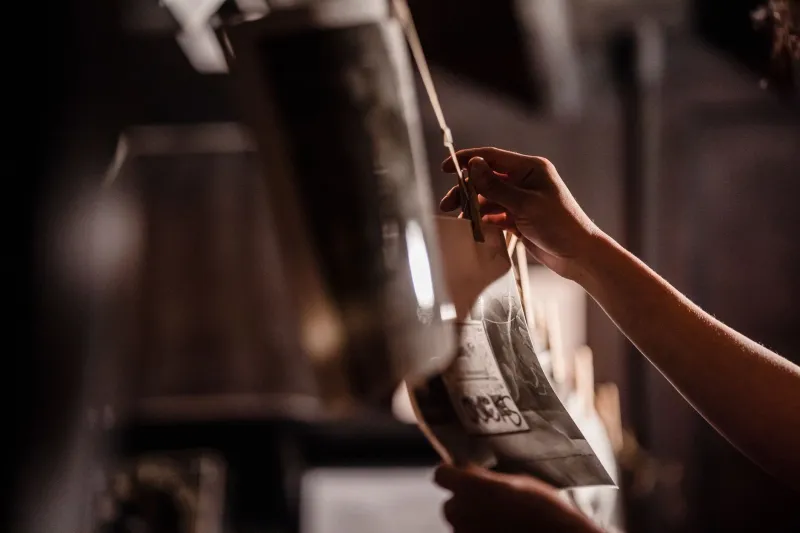
The sound of a stapler at midnight
There is a particular sound that tells you a zine is being born: the click-clack of a long-arm stapler, the rustle of a photocopier warming up, the soft thump of a pile of paper being squared against a table. It is not the sound of a viral moment. It is the sound of someone deciding that their obsession deserves to exist in the physical world — and that a stranger might want to hold it.
That sound is echoing around the UK again. Not in a nostalgic, let's-rewind-to-the-1990s way, but in a very 2026 way. As feeds get faster and recommendations get eerier, a growing number of fans are choosing the slow route: making zines, swapping them by post and meeting up at fairs in Bristol, Leeds, Glasgow and beyond. The format is simple. A5 pages, a theme, a staple in the spine. The effect is anything but.
A love letter with a deadline
A zine is not a magazine with a smaller budget. It is a fan-made object with a point of view. The best ones feel like someone has opened a drawer in their brain and said: here, have a look. You will find a 12-page celebration of a cult band's B-sides, an essay about a soap character who deserved better, a hand-drawn guide to a local football ground's tea hut, a comic about a niche hobby that only 40 people in Britain understand.
The subject matter matters less than the intent. A zine says: this thing I love is worth your time. It is an argument made of paper, toner and stubbornness. And because it is made by one person, or a small group of friends, it cannot be gamed by an engagement metric. There is no algorithm deciding that the zine should be pushed to more people. There is just a person, a table, and a pile of envelopes.
The postal swap is the antidote to the algorithm
Part of the appeal is the post. In a world where a reply can arrive in seconds, a zine swap asks you to wait. You send something out; a few days later, something comes back. The envelope might be decorated with stickers, stamps and a return address written in biro. Inside, there is a zine that someone else made for you, not for a brand, not for a content calendar, not for a payout.
That slowness is the point. Postal swaps have become a quiet infrastructure for fandom: themed exchanges, zine-of-the-month clubs, random pairings between strangers who share an obsession. You do not need to be on the same platform or in the same time zone. You do not need to have a following. You just need an address, some paper and the willingness to make something.
Fairs are the new clubhouse
If postal swaps are the private side of the scene, zine fairs are the loud bit. Bristol, Leeds and Glasgow all have thriving zine events where tables are stacked with handmade publications, badges, prints and stickers. Some are polished. Some look like they were assembled on a kitchen floor at 2am. Both are welcome.
The atmosphere is less convention hall, more school hall with better music. Traders swap stock with each other. Someone will explain how they made a cover using a printer that jammed every 10 minutes. A teenager will sell their first zine next to someone who has been making them for 20 years. The point is not to shift units. It is to be in a room with people who understand why you would spend a weekend folding paper for a niche interest.
The etiquette of devotion
Zine culture has its own rules, and most of them are about respect. Credit people. Ask before you review someone's work. Do not treat a zine as free content for a bigger platform. If you are making a fan zine, be thoughtful about how you use other people's art, words and identities. The best zines are personal, but personal does not mean careless.
The scene also has a healthy tolerance for mess. A crooked staple is not a failure. A typo is not a scandal. A zine can be photocopied, hand-coloured, bound with thread or held together with washi tape. The imperfections are part of the charm, because they are evidence of a human being making a choice rather than a template doing its job.
Why it matters
We are told constantly that fandom is online, that community is a comment section, that the only way to be devoted is to post. Zines push back against that. They are slow, tactile and loudly personal. They ask you to make something, not just consume something. They turn a private obsession into a shared object that can be posted, swapped and kept.
That is why the UK zine scene feels less like a throwback and more like a correction. In a culture built on infinite scroll, a zine is finite. It has a beginning, a middle and an end. It can be held. It can be given away. And somewhere in a Bristol hall, a Leeds post office queue or a Glasgow community centre, someone is stapling the next one together for a stranger they have never met. That is devotion you can put in an envelope.