
Fandom
Please Hold the Plot: Inside Britain’s Week-Late Watch Circles
Some UK fan chats go quiet for a reason. Meet the groups that treat a plot twist like a firework in a dry field — and wait, patiently, until everyone has caught up.
For people who love things loudly
Some UK fan chats go quiet for a reason. Meet the groups that treat a plot twist like a firework in a dry field — and wait, patiently, until everyone has caught up.
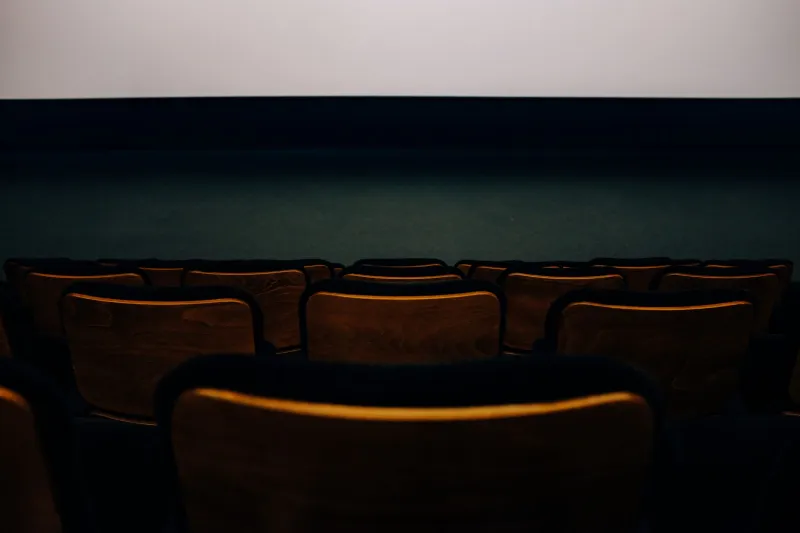
They can tell you which balcony seat has a pillar in the way, which cheap ticket is secretly the best in the house, and which accessible route avoids the stairs. Meet the UK fans building unofficial venue maps, one spreadsheet at a time.
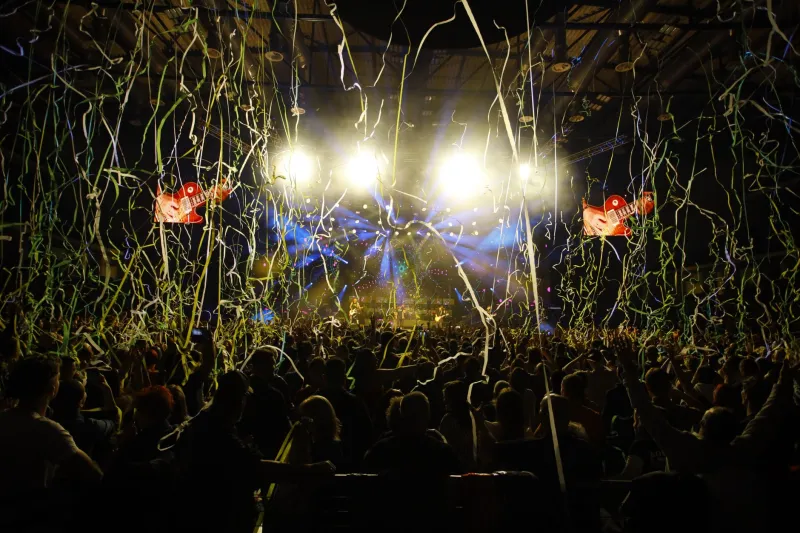
Forget the signed poster: for a certain kind of UK gig fan, the real prize is a scrawled song order peeled off the stage floor. We meet the keepers, traders and laminators preserving setlists as tiny, sweat-stained documents of a night that actually happened.
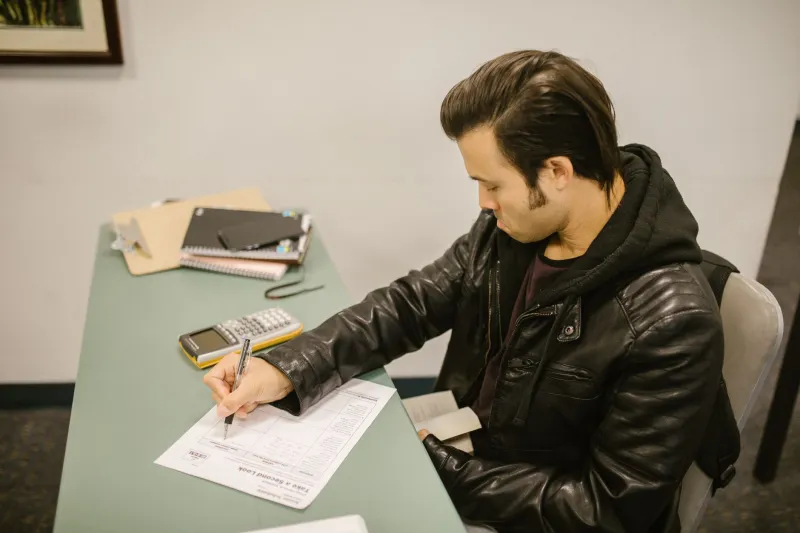
Across the UK, devoted fans are turning pub back rooms into proper quiz leagues built around one show, one band or one beautifully niche hobby. The real drama isn’t the picture round — it’s the tie-breaker, and the house rules that keep it friendly.
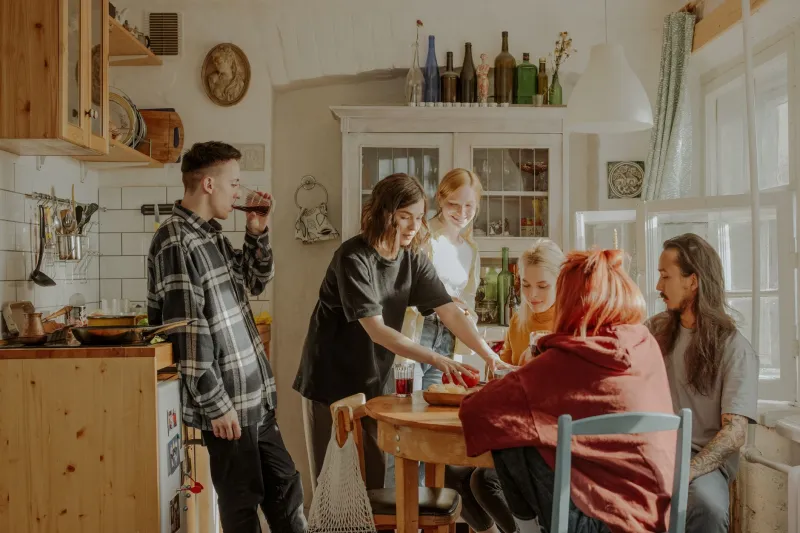
Across Britain, fans are recreating meals from TV, books and games, then swapping tested recipe cards covered in margin notes, substitutions and very specific serving instructions. We visit the community kitchens and canon suppers turning fandom into something you can pass around the table.

A spare ticket can appear hours before doors, and the message that moves it is its own tiny ritual. This is the informal etiquette UK fans use to pass on a last-minute seat without turning devotion into a side hustle.
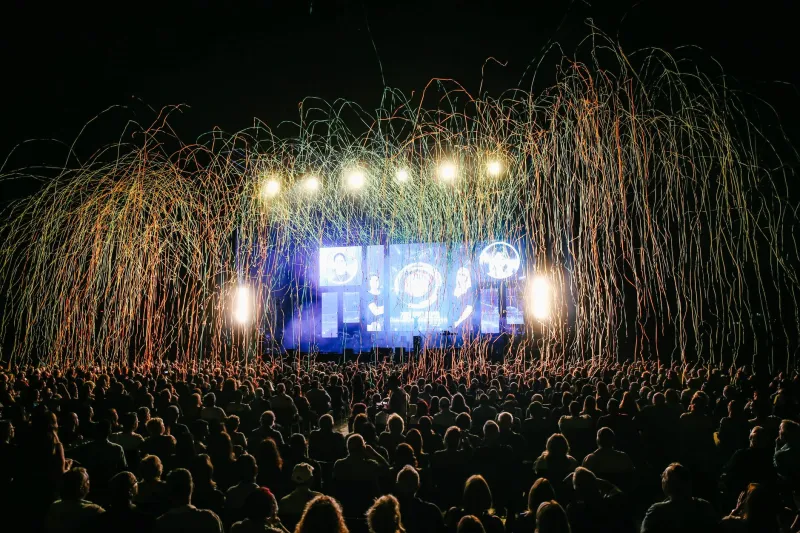
The encore ends, the lights go up, and a small army of gig-goers starts scanning the floor. For these fans, confetti isn’t litter — it’s a tiny, stubborn record that a loud night really happened. Welcome to the UK’s unofficial confetti-keeper circuit, where paper scraps get pressed, traded and treasured.
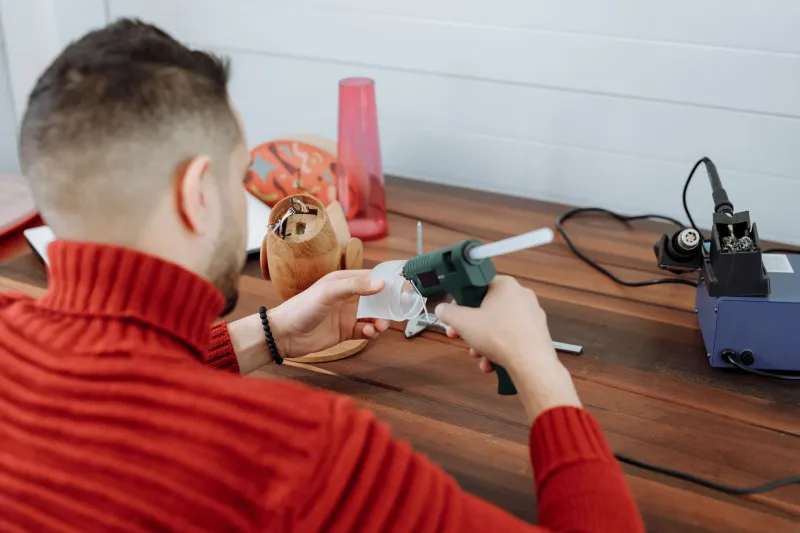
At UK conventions, volunteer menders run pop-up repair tables where cracked foam, loose sequins and snapped straps get a second chance minutes before doors open. The etiquette is unwritten, the hot glue is communal, and the real repair is often social. Here is why fixing each other's costumes has become a fandom ritual in its own right.

They arrive before the doors open and leave after the last queue has shuffled out. Meet the UK convention volunteers who turn a laminate and a radio into a whole subculture — with its own hierarchies, handover rituals and hard-won warnings about burnout.

For a certain kind of UK gig-goer, the show starts long before doors: with a spreadsheet, a group chat and a theory about the encore. We meet the fans who treat a tour like a weather system — and learn to love being wrong.
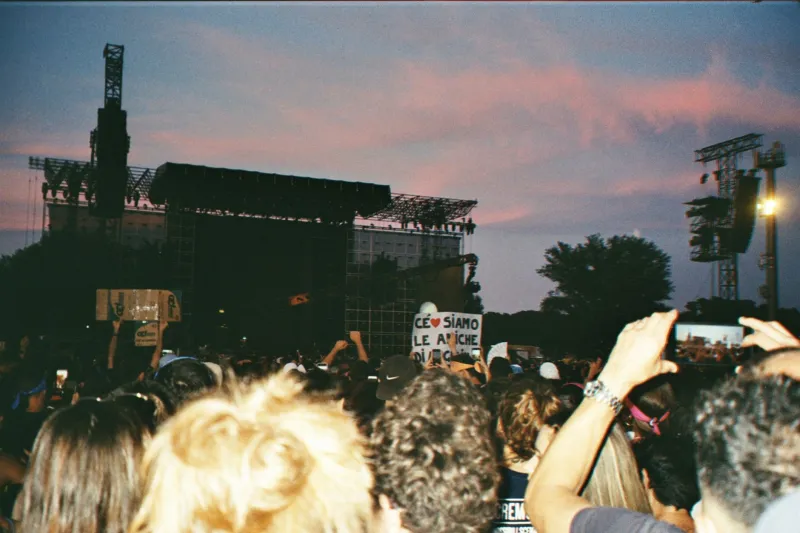
Before the doors open at venues from Leeds to London, a parallel system takes over: handwritten numbers, laminated sheets and chalk marks on the pavement. We look at the etiquette, friendships and tiny flashpoints that make the wait feel like part of the show.

Every night, a small but devoted band of Britons gathers on windswept coasts to listen to a radio broadcast about weather at sea. We spend time with the Shipping Forecast fans turning a practical bulletin into a shared ritual of tea, silence and handmade charts.

Forget the reviews section — Britain's most devoted theatre fans are grading venues on something far more important: the interval ice cream. We went behind the spreadsheet to meet the people scoring spoons, timing queues and taking the third-act gamble so you don't have to.
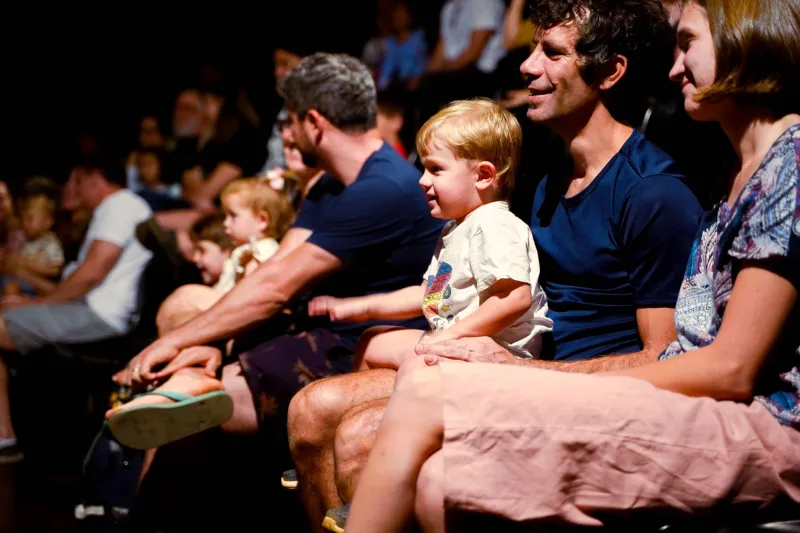
For a certain kind of theatre fan, the most exciting sentence in the programme is the slip that says the role will be played by someone else tonight. Meet the UK audiences who track cover schedules, swap show reports, and treat the second cast as the main event — without ever wishing the star ill.

Forget the ticket queue — the real fandom ritual starts at 6am in a retail car park. We ride along with the volunteer-organised minibuses and coaches that turn strangers into a travelling crew before the doors even open.
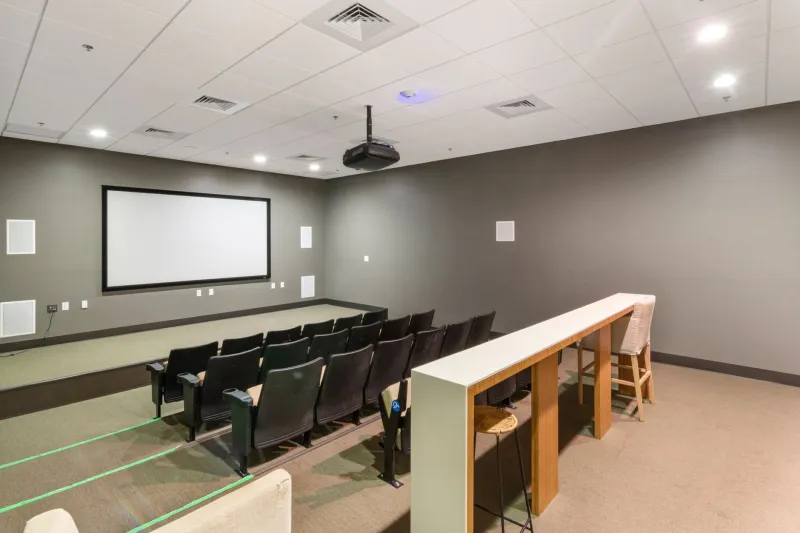
Forget the multiplex: across the UK, fans are converting spare rooms and garages into intimate screening spaces with hand-stamped tickets, proper intervals and very careful neighbour diplomacy. The best seat in Britain might just be someone’s back bedroom.
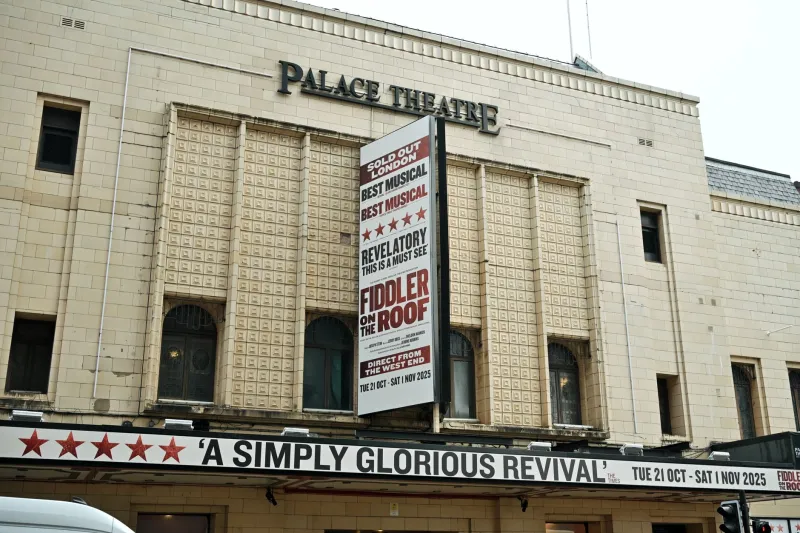
They gather before the final bow, clutching programmes and biros. At theatres from Sheffield to Shaftesbury Avenue, stage-door regulars have turned the after-show wait into a fan ritual with its own etiquette, its own community and its own quiet rewards.
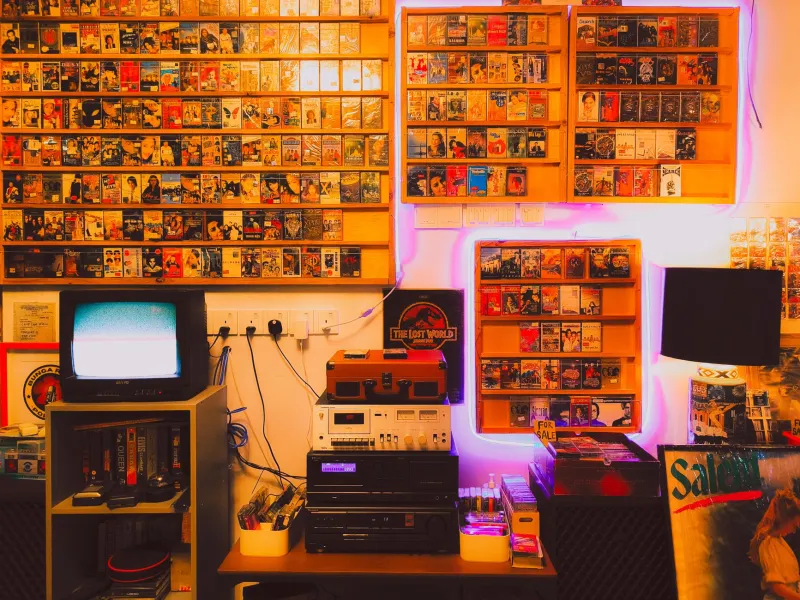
Across the UK, spare rooms, box rooms and garden sheds have become meticulous mini-museums devoted to Doctor Who, railway ephemera and other glorious obsessions. In 2026, many of these private collections are opening their doors by appointment — and asking what it means to share your most personal fandom with strangers.

Solo gigs can be brilliant until the last train and the cloakroom queue. Across the UK, fan-run buddy schemes are pairing strangers for queues, routes home and the first nervy step into the venue. The etiquette is unwritten, but the care is very real.
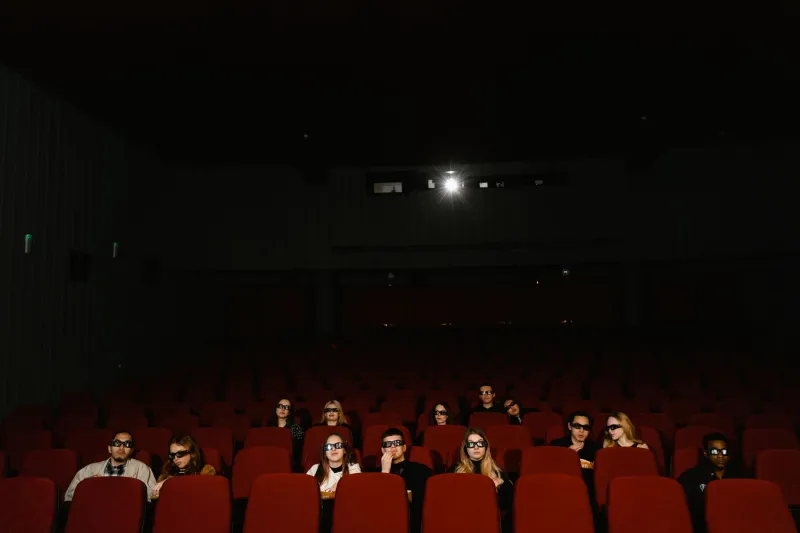
Projector rigs, snack rotas and a door policy that welcomes the uninitiated: UK fans are turning pub back rooms and community centres into pop-up finale venues. The group chat is useful, but it cannot gasp in unison. This is fandom’s oldest special effect, back on a big screen.