Who Gets a Plaque? The Fans Drawing Britain's Unofficial Memory Map
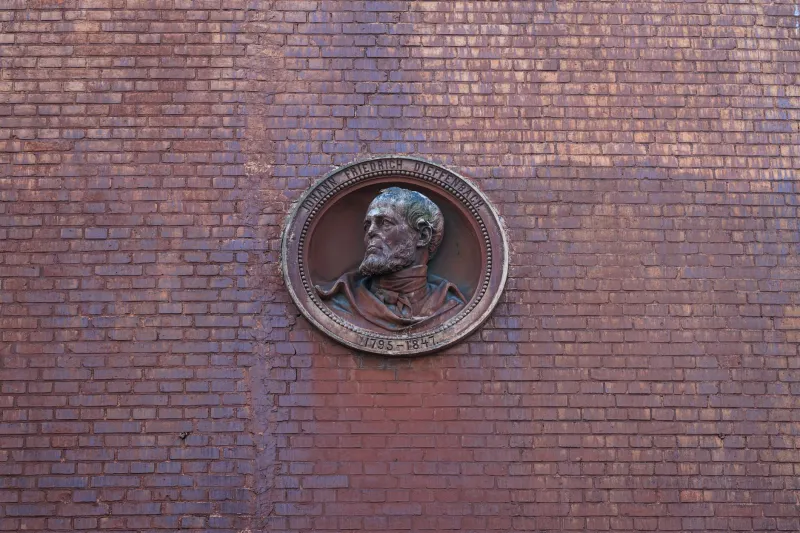
The plaque that was not on the map
Britain is already a country of plaques. Official schemes, run by bodies such as English Heritage in London and by civic societies elsewhere, have spent decades fixing small blue rectangles to the walls of buildings where writers, scientists, politicians and reformers once lived. They are useful, dignified and often a little dry. They tell you what the establishment has decided matters.
Then there is the other layer. Walk through the right neighbourhood and you will find a ceramic tile for a fictional detective, a painted mural for a cult musician, a laminated sign tied to a railing for a local hero, a sticker on a lamppost for a beloved club night. These are not official. They are not always permanent. But they are part of a genuine boom in fan-led memorials, and they are changing the way Britain remembers.
The unofficial plaque is not a new idea. Folk memorials, pub signs, shrine-like corners and hand-painted tributes have been around for as long as people have wanted to mark a place as meaningful. What feels different in 2026 is the scale and the speed. A campaign can start on a group chat, gather momentum on social media, raise money through a crowdfunder and result in a small plaque on a wall in a matter of months. The map is being drawn by fans, not just by committees.
From fandom to civic infrastructure
Fan plaques sit at an awkward but interesting angle to civic life. On one hand, they are playful. A plaque for a fictional character is a wink, a piece of local theatre, a reason to take a photo. On the other, they are serious memory work. They say: this place mattered to people, and the people who loved it want that fact to be visible.
That can be a gift to a town. A fan-led memorial can draw footfall to a high street, give a local story a physical anchor and create a sense of ownership. It can also embarrass a council, especially if the plaque appears without permission on public property. Some local authorities are playing catch-up, publishing guidance on community memorials, setting up small grants or working with campaigners to formalise something that began as a DIY project. Others are still deciding whether a tribute to a cult band is a heritage asset or a nuisance.
Who decides what gets remembered?
Official plaques are arguments about memory. They reflect criteria, committees and the tastes of the people who hold the pen. Fan plaques are arguments too, but they are made by people who often have no formal stake in heritage. That is their strength and their problem.
A fan plaque can celebrate a woman whose contribution was overlooked, a working-class venue that shaped a music scene, a fictional character who gave a generation a language for their own feelings. It can also be chaotic. Without a co-ordinating body, the map can fill up with tributes to the already famous, the easily photographed and the people with the most organised fan bases. The question is not whether fan plaques are valid. It is who gets to make them, and whether the result is a richer public memory or just a prettier version of the same old hierarchies.
The risk of the homemade marker
There is a practical side to all this. A plaque on private property needs consent. A mural needs a wall, paint and, ideally, the owner's blessing. A sticker on a bus shelter is not heritage policy; it is vandalism with good intentions. Some fan memorials are removed. Some fade. Some are disputed by the people who knew the real person behind the tribute.
That does not make the impulse wrong. It makes it human. The best campaigns are the ones that talk to local people, credit their sources and accept that a memorial is a conversation, not a trophy. A plaque for a fictional detective is low-stakes and joyful. A plaque for a real person carries more weight, because it makes a claim about a life. Fans are good at enthusiasm. They are not automatically good at nuance.
The map is the message
What makes the current boom so interesting is that it is happening online and offline at once. A plaque is a physical object, but it travels as a photo, a pin, a route, a hashtag. Fans build digital maps of tributes and pilgrimage trails. A weekend trip becomes a scavenger hunt. A local legend becomes a destination.
That is where the digital culture angle really bites. The unofficial plaque is part souvenir, part civic challenge, part community art project. It asks local councils to notice what people already care about. It asks fans to think beyond the thrill of the reveal. And it asks the rest of us to look at the walls around us and wonder who has been left off the official list.
What gets remembered next
The fan-led plaque boom is not a replacement for official heritage. It is a conversation with it. The blue plaque still has its place. But so does the handmade tile, the crowdfunded marker and the mural that appears because a group of people could not bear to let a place go unmarked.
In 2026, Britain's memory map is more crowded, more contested and more alive than it has been in years. The people drawing it are not waiting for permission. They are asking a better question: if we love this thing enough to remember it, why shouldn't the street know?