The Pillar Report: How Britain’s Volunteer Seat Detectives Are Redrawing the Booking Page
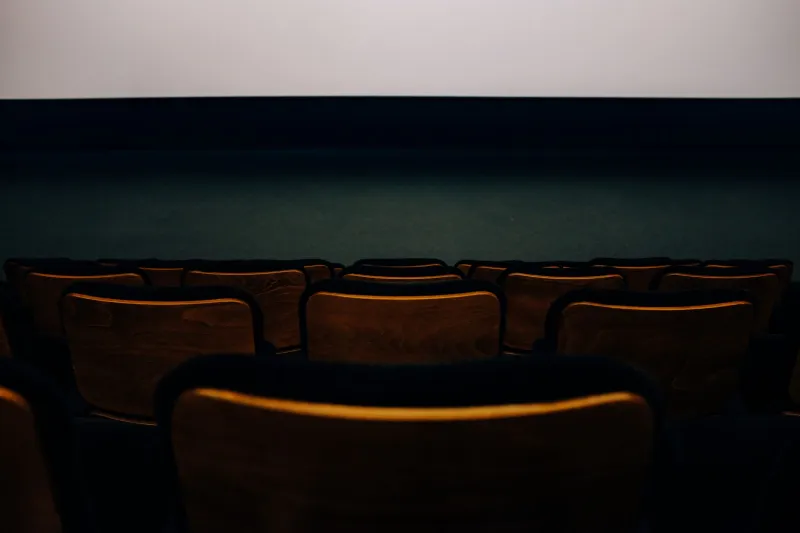
Booking a ticket used to be a leap of faith. You picked a price band, squinted at a vague seating plan, and hoped the person in front of you wasn’t seven foot tall. Now, before many of us part with £60 for a West End matinee or £35 for a gig at a regional academy, we do something else: we consult the fan-made map.
The spreadsheet that knows the balcony
These are not official documents. They are volunteer projects — spreadsheets, shared documents, photo albums and group-chat folklore — built by people who have sat in the awkward seats so you don’t have to. A typical entry might read: 'Row Q, seat 14. Great rake, no handrail, but the safety curtain cable crosses your eyeline for the first ten minutes.' Another adds: 'Avoid seat 15 if you’re tall; the pillar eats the upstage left corner.'
The people behind them call themselves different things: seat nerds, view spotters, accessibility note-keepers. One organiser in the North West describes the work as 'a public service with a side of obsession'. They are not trying to replace box office staff or official access information. They are filling in the gaps that official plans leave out: what the stage actually looks like from the back of the gods, where the handrails block a sightline, which aisle seat loses the top of the set, and how much legroom you get before your knees meet the row in front.
Not an attack on venues — an awkward ally
It would be easy to frame this as fans versus venues. The reality is more complicated. Many volunteers speak warmly about theatre staff and venue managers who answer questions, allow access visits or quietly correct a detail. Others describe a polite stand-off: venues worry about liability, about information going stale, about a fan-made map being mistaken for an official booking tool.
The best projects handle this by being clear about their limits. They timestamp every note. They say when a view was checked, by whom, and whether it was a full performance or a technical rehearsal. They flag when a seat has changed because of a refurbishment. They keep accessibility notes separate and specific: step-free routes, companion seats, toilets, hearing loops, and the difference between 'accessible' and 'actually comfortable'.
That distinction matters. For disabled fans, a bad sightline is not a minor annoyance. It can be the difference between booking and staying home. Volunteer mappers often learn this the hard way, through their own frustrating experiences, and the better spreadsheets now include detailed notes on transfers, handrails and whether the accessible entrance is the one the venue advertises.
The great pillar debate
Any shared map eventually hits a disagreement. One person swears seat H12 is fine. Another says it’s the worst seat in the house. The volunteers have developed informal ways to settle it: multiple reports, photos taken from the seat, cross-references with running times, and a healthy respect for the fact that 'obstructed' means different things to different bodies.
A tall fan may care about legroom. A shorter fan may care about the head of the person in front. A wheelchair user may care about whether the companion seat is actually beside them, not two rows back. A parent may care about aisle access for a quick exit. The best maps don’t award a single verdict; they collect the variables.
This is where the community aspect kicks in. These are not lone cartographers. They are moderators, thread-starters and quiet correctors. Someone asks a question at 11pm; by morning, three people have replied with photos. The tone is usually friendly, occasionally tart, and always aware that they are arguing about a seat that someone else might love.
Why it matters when the ticket is £85
The cost-of-living squeeze has made the stakes higher. If a family is spending £200 on a theatre trip, they want to know that the 'restricted view' ticket is genuinely good value, not a hope and a prayer. Fan-made maps have become part of the booking ritual: check the official plan, check the fan spreadsheet, check the accessibility notes, then decide.
There is a lovely democracy to it. A teenager with a phone and a keen eye can contribute a note that helps a pensioner booking their first panto in years. A regular gig-goer can warn a first-timer about the pillar in the balcony. The maps are imperfect, unfinished and sometimes out of date. They are also a reminder that fandom is not just loud affection; it is practical care.
The future is a shared bookmark
Some of these projects are now formalising: adding volunteer editors, writing style guides and talking to venues about how to share updates. Others remain beautifully scrappy — a Google Sheet, a pinned post, a folder of photos. Both approaches work.
What unites them is a simple belief: nobody should have to guess what they’re paying for. The view from Row Q belongs to the people who sit there, and the people who sit there are happy to tell you about it. In a country that loves a queue, a tip-off and a well-organised spreadsheet, the volunteer seat detectives might be the most British fan project of all. They are not trying to spoil the magic. They are trying to make sure you can see it.