Seat 14 Will Save You a Sausage Roll: Inside Britain’s Fan-Run Coach Crews
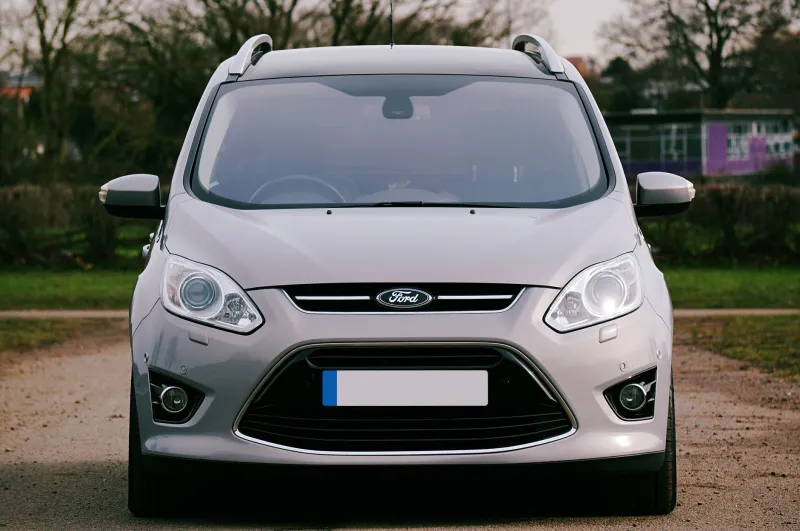
It is 6:12am outside a retail park in Leeds, and nobody is speaking. Not properly. There is the low rumble of a hired minibus, the click of a cool box lid, and the soft rustle of someone wrestling a folding chair into the boot. Then a woman in a Download hoodie holds up a carrier bag and says, “I’ve got the bacon rolls. Who’s got the flask?” The car park becomes a living room. That is the moment the fandom begins.
In 2026, with train fares behaving like a rollercoaster and venue parking costing more than a decent gig ticket, UK fans are quietly building something better than a journey. They are building a crew. Fan-run coaches and minibuses now ferry devotees to conventions, concerts, away days and anniversary screenings across the country — and the trip is rarely just transport. It is the first panel, the first mosh pit, the first reunion. It is the bit where you learn who snores, who brings extra plasters, and who will absolutely save you a sausage roll from the services.
The WhatsApp group is the departure lounge
Long before the engine turns over, the group chat is doing the heavy lifting. A spreadsheet appears — always a spreadsheet — with columns for pickup points, seat requests, dietary needs, and whether anyone is travelling with a folding wheelchair or a service animal. Someone volunteers to be treasurer. Someone else asks, very reasonably, whether there will be a loo stop before the motorway. The answers come back within minutes.
Cost-sharing is the covenant at the heart of it. Nobody profits. The maths is done in public: fuel, hire, parking, the driver’s ticket, a small buffer for the unexpected. Everyone pays the same, or close to it, with a quiet subsidy pot for anyone who needs it. No fan is left behind because of a £15 shortfall, and nobody has to announce their business to the whole coach. The treasurer just knows.
“It’s not a charity, it’s a collective,” says Priya, who has organised trips from Birmingham to MCM London for four years running. “We work out what it costs, we divide it, and we make sure there’s a bit of slack. If someone’s had a rough month, they pay what they can. We’d rather have them on the bus than a perfect spreadsheet.”
The spreadsheet, it should be said, is never perfect. Someone always drops out at the last minute. Someone always brings a friend. The group absorbs it the way fandom always does: with a shrug, a reshuffle, and a fresh round of “can you bring a cushion?”
The unwritten seating plan
Every coach develops its own geography. The front seat beside the driver belongs to the navigator — the person who can read a diversion sign at 70mph and who knows that the M6 northbound at 8am is a fool’s errand. Behind them sits the DJ, phone plugged into the aux, curating a playlist that will be argued about for the rest of the year. The back row is loud, unrepentant, and usually covered in snack wrappers by junction 10.
Then there are the seats nobody claims but everybody respects: the one nearest the door for anyone who gets travel sick; the quiet corner for the fan who needs a sensory break before the main event; the window seat that rotates on longer trips so nobody spends six hours staring at a motorway barrier. Nobody writes these rules down. They simply pass into lore, trip after trip, like a folk tradition with a cool box.
The great unwritten law, though, is that you talk. Not constantly, not forcefully, but enough. You learn why the person next to you has been to every single convention since 2013. You hear about the gig they are seeing for the fourteenth time, and the friend they are meeting there who they have never actually met in person. By the time the coach pulls into the services, you have already borrowed a phone charger and offered to hold someone’s place in the queue.
Everyone pays, nobody profits
The volunteer drivers are the quiet heroes of this ecosystem. They are the ones who get up at 4:45am, do the walkaround checks, and spend the journey being asked if they are allowed to play the new album at a volume that will wake the dead. They become fandom legends in their own right — Dave, the coach dad of the Midlands cosplay circuit, is apparently known for producing a birthday cake from the overhead locker somewhere near Watford Gap. The driver’s playlist is sovereign. The driver’s coffee stop is non-negotiable. The driver’s name goes in the group chat thank-you message before anyone has even taken their coat off.
But the drivers are not chauffeurs. They are fans too, and the best crews protect them fiercely. That means a rota for the front seat so they are not navigating alone, a strict no-tapping-the-glass rule, and someone appointed to make sure they actually eat something. It means treating the minibus like a shared front room, not a taxi.
The accessibility question
A coach trip is only a community if everyone can get on it. That is where the best organisers put in the unglamorous work: booking accessible vehicles early, checking whether the venues have step-free routes, building in extra time for medication stops and quiet breaks. The cost-sharing pot often stretches to cover a companion ticket. The WhatsApp group has a pinned message about sensory needs and where the quietest spot might be at the venue.
It is not perfect. Accessible minibuses are scarce, and last-minute bookings are a nightmare. But the fan-run model has an advantage over the official coach package: it can flex. It can wait. It can reroute. It can ask, “What do you actually need?” instead of “What’s on the timetable?”
Why the going matters
When the coach finally pulls into the venue car park, something has already happened. The strangers who boarded in Leeds are now a crew. They have a shared language of service-station stops and back-row jokes. They will queue together, save each other’s places, and meet up at the merch stand. The event is the reason they came, but the journey is the thing they will talk about on the way home.
And on the way home, someone will inevitably say, “Same time next year?” The spreadsheet will reopen. The group chat will ping. The covenant holds.
If you are thinking of organising a fan coach, start small: one vehicle, one event, one honest spreadsheet. Ask about access needs before you book. Make the costs public. Bring a spare flask. And if you end up in seat 14, know that you are already part of it — even if you did forget the sausage rolls.